The scissors, paper, and quiet rhythm of Clay Rice’s studio have caught the eye of Garden & Gun magazine. His silhouette art and his Lowcountry story are now the focus of a new profile. For Clay, it is a gratifying moment in a long career built from patient cutting and a lifelong bond with the South Carolina shoreline.
A Quiet Studio in the Spotlight
The feature steps inside Clay’s life at a calm, steady pace. It notices the little details that shape his days. It looks at the way he works at a simple table. It watches how a sheet of black paper becomes a face, a tree, or a stretch of marsh with only a few careful cuts. For Clay, that outside view feels both personal and affirming. It reflects years of work that began long before any camera or magazine showed up.
Roots in a Family Tradition
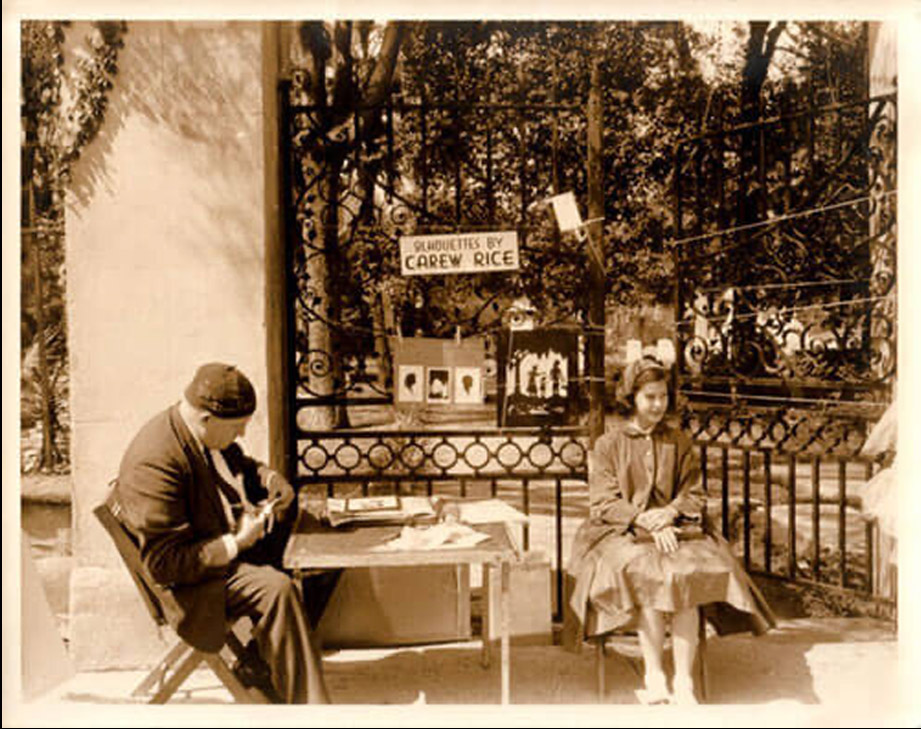
Clay’s story starts with family. Silhouette art did not arrive in his life as a surprise. It lived in his home from the start. His grandfather cut silhouettes before him, and countless families still hold those older pieces. Clay grew up seeing the power of a crisp black profile hung on a wall. He saw how children studied their own shapes. He watched parents smile as they recognized a chin, a nose, or a curl of hair. Those early impressions stayed with him, even while he explored other forms of creativity.
Returning to Scissors and Paper
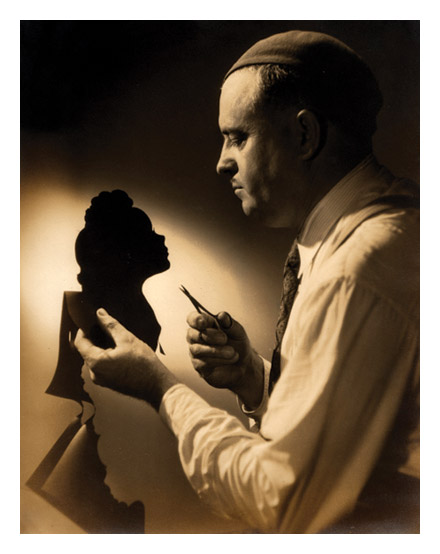
In time, scissors and paper called him back. Clay began by cutting children’s profiles in shops and at small events. Parents would sit their children in a chair and watch while he worked. There was no sketch and no guide line on the page. There was only a clean sheet of paper and a quiet focus. Within a minute or two, a small likeness appeared. The child’s profile would lift away from the scrap and become something a family would treasure.

That simple act did not stay small. Over many years, Clay’s schedule filled with events across town and across the country. He spent long stretches on the road, visiting shops, galleries, schools, and historic sites. The routine became familiar. He would arrive, set up his table, and begin to cut. By the end of the day, there would be a stack of new silhouettes and a long list of new names and stories. Some families would return year after year, adding a new profile with each visit as their children grew.
Faces, Stories, and Generations
This direct contact with people is at the center of Clay’s work. Each silhouette begins with a real person. Each conversation leaves a trace. Children tell him about pets, favorite games, and school days. Parents share memories of their own silhouettes from years ago. Grandparents sometimes arrive with an older piece that his grandfather cut and ask him to continue that line with the next generation. That thread of connection runs quietly through his practice and gives his art a sense of continuity and care.
Lowcountry Landscapes in Cut Paper
That simple act did not stay small. Over many years, Clay’s schedule filled with events across town and across the country. He spent long stretches on the road, visiting shops, galleries, schools, and historic sites. The routine became familiar. He would arrive, set up his table, and begin to cut. By the end of the day, there would be a stack of new silhouettes and a long list of new names and stories. Some families would return year after year, adding a new profile with each visit as their children grew.
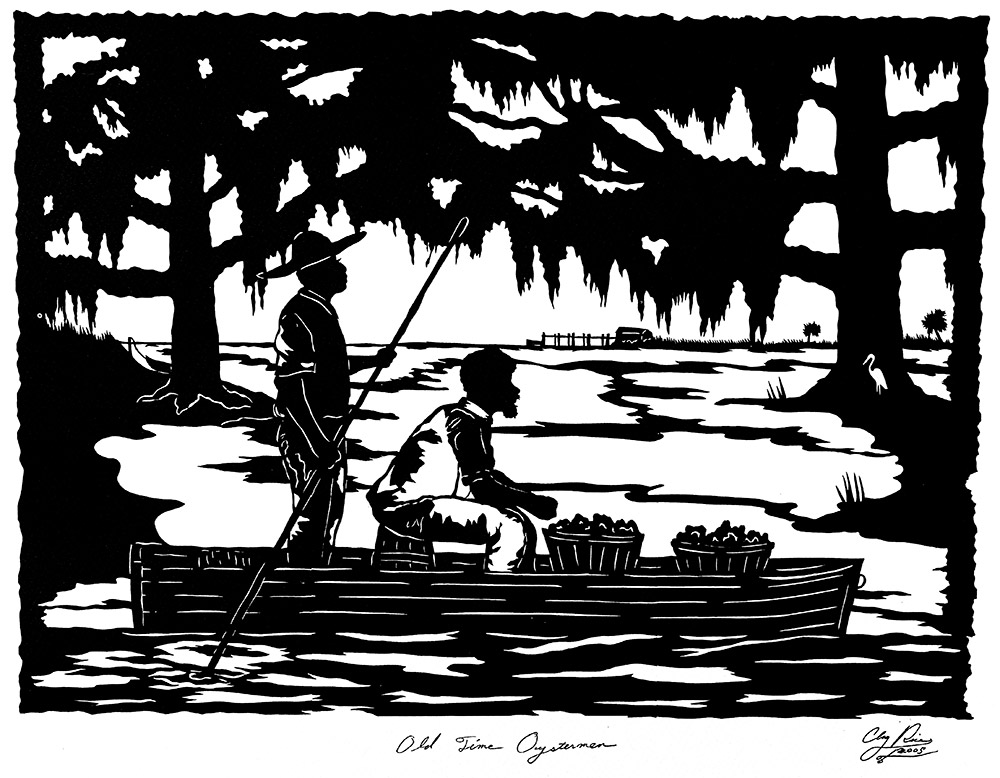
Beyond the familiar profile, Clay’s work also reaches into wider scenes. He cuts images that hold more of the Lowcountry in view. Marsh grass bends along a creek. A boat leans into the pull of water. A line of birds rises above a field. These pieces owe much to the landscape that surrounds him. Clay studies the shapes of live oaks, docks, and distant shorelines. He notes how light hits the water at different times of day. Later, back in the studio, these impressions guide his hand as he cuts.
The Garden & Gun feature hints at this connection without retelling every step. It sets Clay’s art within the place that feeds it. Readers catch glimpses of rivers, inlets, and quiet stretches of land that feel both specific and familiar. The article does not try to explain every detail. Instead, it opens a window. It offers a first look that invites people to find more of Clay’s work and see how those scenes unfold across paper, wood, and metal.
Silhouettes That Step Into Story
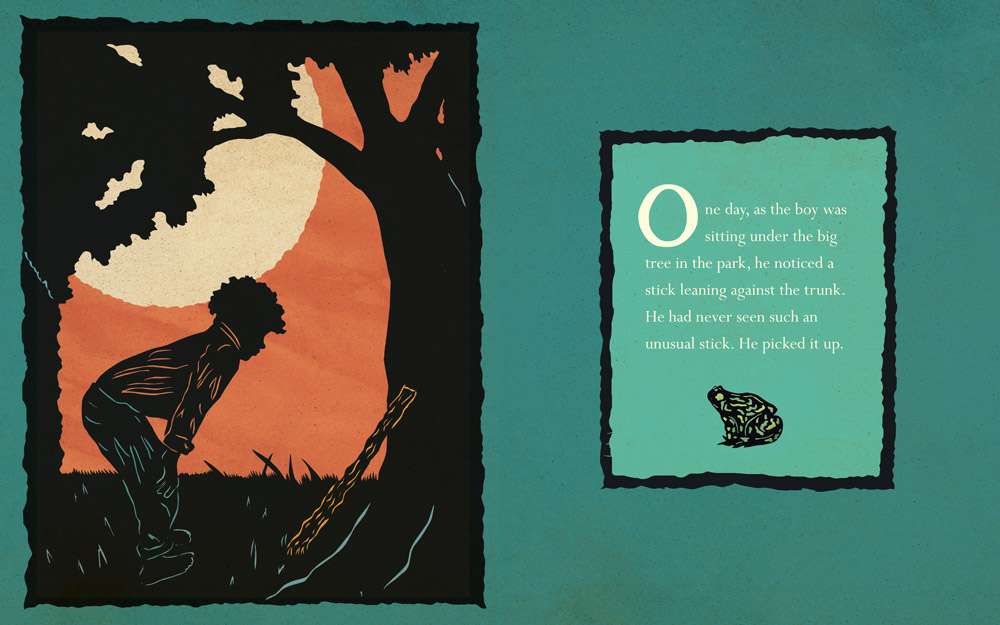
Clay also works as an author and illustrator, which adds another layer to his story. His children’s books bring silhouette figures into color and text. In these pages, black paper characters move through skies, fields, and gentle dreamlike settings. The words are simple and rhythmic. The stories often circle around themes of wonder, comfort, and family.
When Clay visits schools or shops, he often reads these books aloud. Children sit on the floor or gather in corners while he reads, sings, and then returns to his scissors. The books and the silhouettes support one another. One lives on the shelf. The other hangs on the wall. Both carry the same clear shapes and the same quiet sense of care.
What the Feature Represents
What stands out about this moment is the way it gathers so many threads into one place. Clay’s family history, his years on the road, his books, his large scale pieces, and his quiet daily routine all find a point of focus in the Garden & Gun profile. The magazine does not define his life or his art, but it does give them a fresh view. It allows new readers to meet him at a glance. It also offers long time supporters a chance to see his work reflected in a broader cultural frame.
For Clay and his team, the attention feels personal rather than distant. It is easy to picture the same simple studio, the same scissors, and the same paper after the cameras are gone. The work continues in the same way. A child sits for a portrait. Clay studies the line of a cheek and the fall of hair. His hand moves with the calm confidence that comes from years of practice. A few minutes later, another silhouette joins the long story of his career.
A Simple Craft, Seen Anew
The article becomes a kind of marker along that path. It says that this steady craft is worth a close look. It honors the time Clay has spent learning to see and learning to cut. It also underlines the beauty of a form that relies on contrast and restraint. A silhouette holds no color and no internal detail, yet it often carries a strong sense of character. That balance between simplicity and depth is what keeps Clay interested day after day.
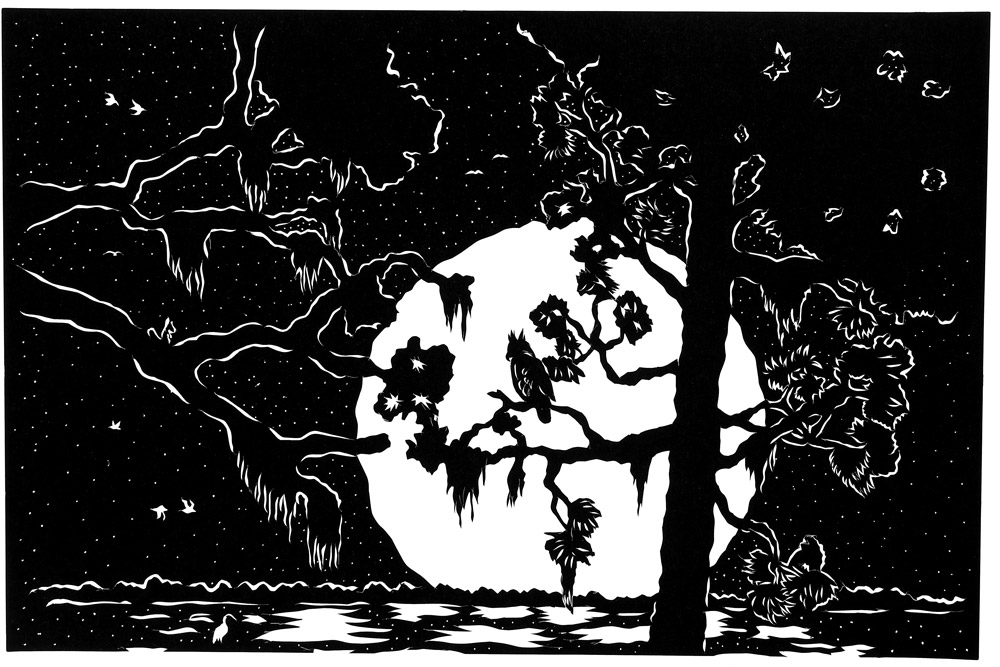
As people who read the profile look for more, they will find a body of work that shifts in scale but stays faithful to the same core tools. Small portraits sit beside sweeping scenes. Delicate paper pieces share a language with larger works in metal and wood. Children’s book illustrations echo the same curves and angles that appear in framed silhouettes. Through all of it, the Lowcountry is present. The marsh, the river, the trees, and the salt air sit quietly behind the shapes on the page.
To be featured in Garden & Gun is a genuine honor for Clay Rice. It brings his studio into view for a wider audience and shines a soft light on a craft that thrives in patient hands. The recognition does not change his routine, but it does deepen his gratitude. It reminds him that the slow work of cutting, one piece at a time, has meaning for people both near and far. It also invites new eyes to look closely at a simple black shape and see the South Carolina shoreline, and the stories held there, in its edges.